Ice Maker Making Ice But Won't Dispense It? The Fix Behind a Stuck Chute
Quick Answer: When a refrigerator makes ice but will not dispense it, the problem is almost always in the delivery path rather than the ice maker itself. The most common cause is a clump of ice frozen together in the bin or jamming the chute, followed by a worn auger motor, a stuck chute door or flap, a failed dispenser switch, or a child lock or control setting that has been turned on by accident. A fridge that holds the ice but will not release it usually has a freezer that is running slightly too warm or too humid, which lets cubes melt and refreeze into a solid block. Many of these causes can be checked in about 20 minutes with the unit unplugged and a plastic scraper, though a failed motor or switch needs a replacement part.
You press the lever on the door and hear a faint hum, maybe a click, and then nothing. Open the freezer and the bin is packed with ice. The machine is doing its job of making cubes. It just cannot hand them over. That split is useful, because it tells you the water supply, the inlet valve, and the ice mold are probably fine, and the trouble sits somewhere between the bin and the glass in your hand. Work through that path in order and most stuck dispensers reveal the cause without a single tool beyond a flashlight.
How Ice Gets From the Bin to Your Glass
It helps to picture the route. Cubes drop from the ice maker into a storage bin, usually in the freezer compartment. At the bottom of that bin sits a rotating auger, a corkscrew shaped bar that pushes cubes toward an opening. When you press the dispenser pad on the door, a switch tells an auger motor to turn. A small solenoid or similar mechanism opens a flap in the chute, and cubes slide down and out. Some models also use a crusher blade that chops cubes when you pick crushed ice, which adds another moving part.
Why This Matters For Diagnosis
Each step in that chain has a different failure signature. A switch problem sounds like silence. A motor problem sounds like a hum or a grinding noise with no ice movement. A jammed bin sounds like straining. A frozen chute flap sounds like nothing at all, or a click with no result. Listen closely the next time you press the pad, because the sound narrows the list quickly.
The Frozen Clump Is the Usual Culprit
If you only check one thing, check the bin. Ice cubes that sit for a long time lose a little surface moisture, then freeze back together wherever they touch. Over weeks, a loose pile becomes a single block that the auger cannot turn through. This is especially common in households that make more ice than they use, since the bin rarely gets emptied and refilled.
What Causes The Melt And Refreeze Cycle
Door openings let in warm, humid air. A door that does not seal fully does the same thing all day long. A freezer that runs a few degrees warmer than it should lets cubes soften at the surface. A frost free freezer also goes through a defrost cycle that briefly warms the compartment, and cubes near the top of the bin can glaze over each time. Add a long stretch of low use, like a week of travel, and clumping is almost guaranteed.
How To Clear It
Unplug the refrigerator or switch off the ice maker first. Remove the bin if your model allows it, and empty it into a sink or bucket. Knock apart any block with the flat side of a wooden spoon rather than a metal tool, since sharp edges can crack the plastic bin or nick the auger. Let the bin dry, wipe the inside, and look at the auger and the opening it feeds. Put the bin back, restore power, and let fresh ice build up before testing the dispenser again. If your owner's manual calls for emptying the bin periodically, take that seriously, because it is the single best way to keep the problem from coming back.
A Frozen or Stuck Chute Door
Even when the bin is loose and the auger turns freely, ice still has to pass through a small door or flap in the chute. That flap is meant to stay closed to keep cold air in and warm air out. Moisture is the enemy here. A bit of water from a melting cube, or humid air creeping past a worn seal, can freeze the flap shut or glue it to its frame.
What It Looks Like
You hear the auger motor run, you may even hear cubes shifting, but nothing comes out of the opening. Shine a light into the chute and look for a ridge of clear ice around the edge of the flap or a solid plug in the channel above it.
What To Do
Thaw it gently. A hair dryer on a low setting held a few inches away works well. Do not chip at the ice with a screwdriver, since the flap and its hinge are thin plastic and break easily. After it thaws, wipe the area dry and watch whether it refreezes within a day or two. If it does, the real cause is excess moisture or a warm freezer, not the flap itself, and the flap is just where the symptom shows up first.
Tip: Before you reach into the chute or bin, switch the ice maker off and unplug the fridge. The auger is driven by a motor that can start the moment someone presses the dispenser pad, and fingers have no business near it.
Worn Auger Motor or Failed Drive Parts
If the bin is clear and the chute is open but the auger will not turn, the problem has moved to the drive system. The auger motor is a small electric motor that lives behind or beneath the bin, and over years of use it can wear out. Some fridges also use a plastic coupling between the motor and the auger that can strip or crack, leaving a motor that spins freely while the auger sits still.
Signs Of A Motor Problem
A steady hum with no movement points to a motor that is getting power but cannot turn, which can mean a jam or a worn motor. A loud grinding or clicking can mean a stripped coupling or a cracked auger. Complete silence points elsewhere, usually to the switch or the control board.
Why It Is Worth Knowing The Difference
A jam can be cleared by hand, and the same motor will keep working. A worn motor or stripped coupling needs a replacement part. Learning which one you have saves you from buying a motor you did not need, or from running a straining motor until it fails for real.
The Dispenser Switch or Control Board
Silence when you press the pad can mean the signal never reaches the motor. The dispenser pad or lever actuates a small switch behind the door panel. These switches see thousands of presses over a fridge's life and eventually stop registering one. A loose wiring bundle between the door and the cabinet can cause the same symptom, particularly on models where the wiring bundle passes through a hinge and flexes every time the door swings.
A Quick Listening Test
Press the water side of the dispenser. If water flows normally but ice does nothing, the door wiring and control panel are probably fine, and attention goes back to the ice side specifically. If neither water nor ice responds, suspect something shared, like a lock setting, a wiring connection, or the control board.
Settings That Look Like Failures
Many dispensers have a lock or child safety feature, and a stray touch of the control panel can turn it on without a sound. Some models also disable ice delivery when the ice maker is switched off or when a door is not fully closed. Check the display for a lock icon, read the owner's manual page on the dispenser controls, and make sure both doors are latched before assuming a part has failed. It is a humbling bit of troubleshooting, but it solves more calls than anyone likes to admit.
When the Freezer Itself Is Part of the Problem
A dispenser that clogs again and again after you clear it is usually telling you something about the freezer, not the dispenser. Temperature and humidity inside the compartment drive almost every melt and refreeze problem.
Check The Temperature
Freezers are generally designed to maintain zero degrees Fahrenheit. If temperatures rise, cubes soften and clump. Leave a thermometer inside overnight to get an accurate reading.
Check The Door Seal
A worn gasket allows humid air inside, where moisture condenses and refreezes around the chute and cubes. Test the seal by closing paper around several points.
Check For Airflow Blockages
An overpacked freezer can block vents and restrict cold air circulation. Leave space around vents so air moves freely and temperatures remain stable throughout the compartment.
A Note About Denver Area Air
Denver's Front Range experiences dry winters and warmer, wetter summers. Refrigerators in garages, basements, or sunrooms face changing conditions, making temperature control harder and ice more prone to clumping.
A Few Maintenance Habits That Keep the Chute Moving
Once the dispenser works again, a few small habits help it keep working.
Empty The Bin Now And Then
Dump old ice every month or two when usage is low, then let the ice maker refill with fresh cubes.
Use The Dispenser Regularly
Regular dispensing keeps cubes moving instead of freezing together. If usage is low, occasionally scoop ice out to prevent clumping.
Keep The Door Closed And The Seal Clean
Wipe the gasket regularly with warm, soapy water to remove buildup that can prevent the refrigerator door from sealing properly.
Do Not Overfill The Bin By Hand
Adding bagged ice can crowd the auger area and cause jams. Let the refrigerator's ice maker fill the bin naturally.
When It Is Time to Call a Technician
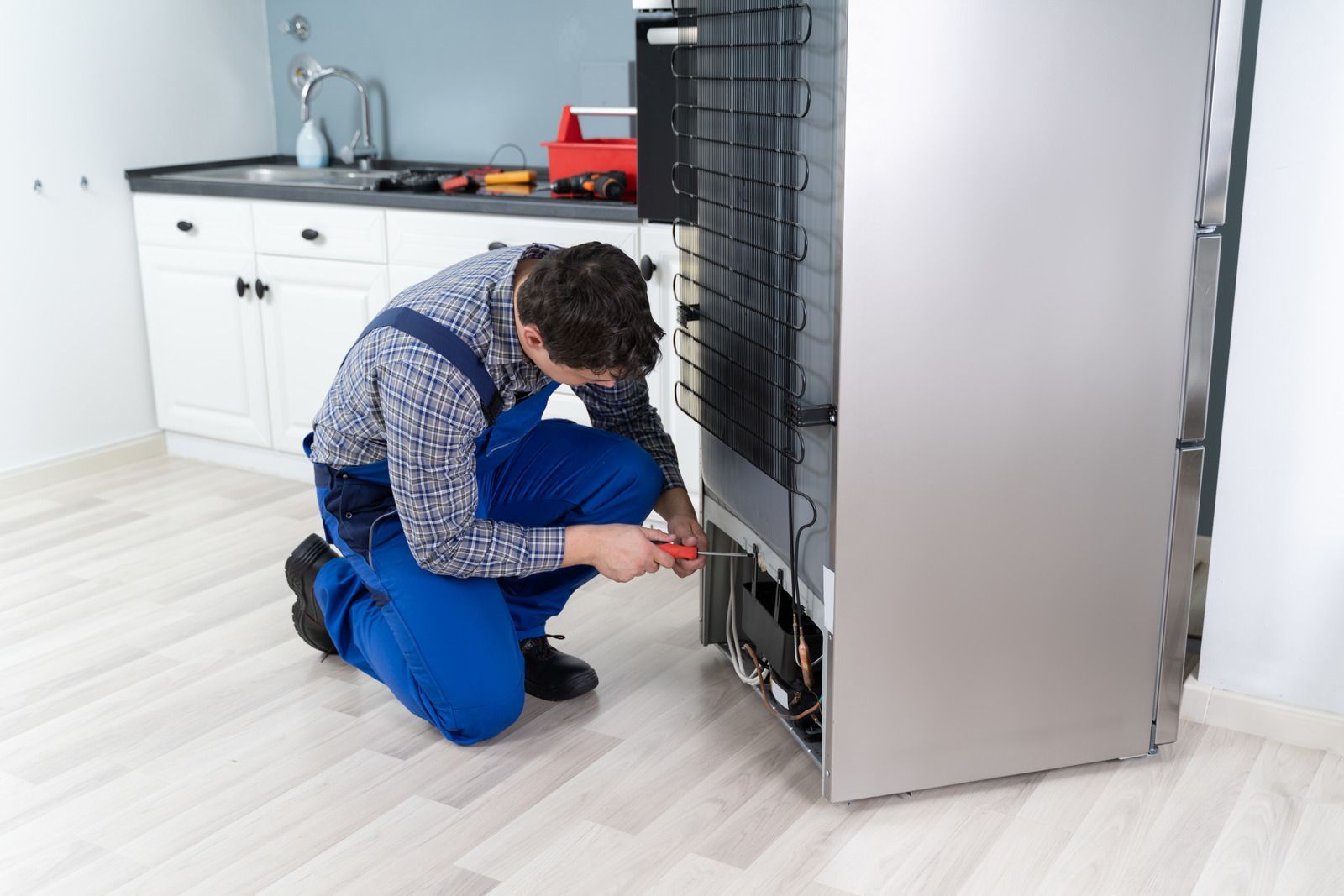
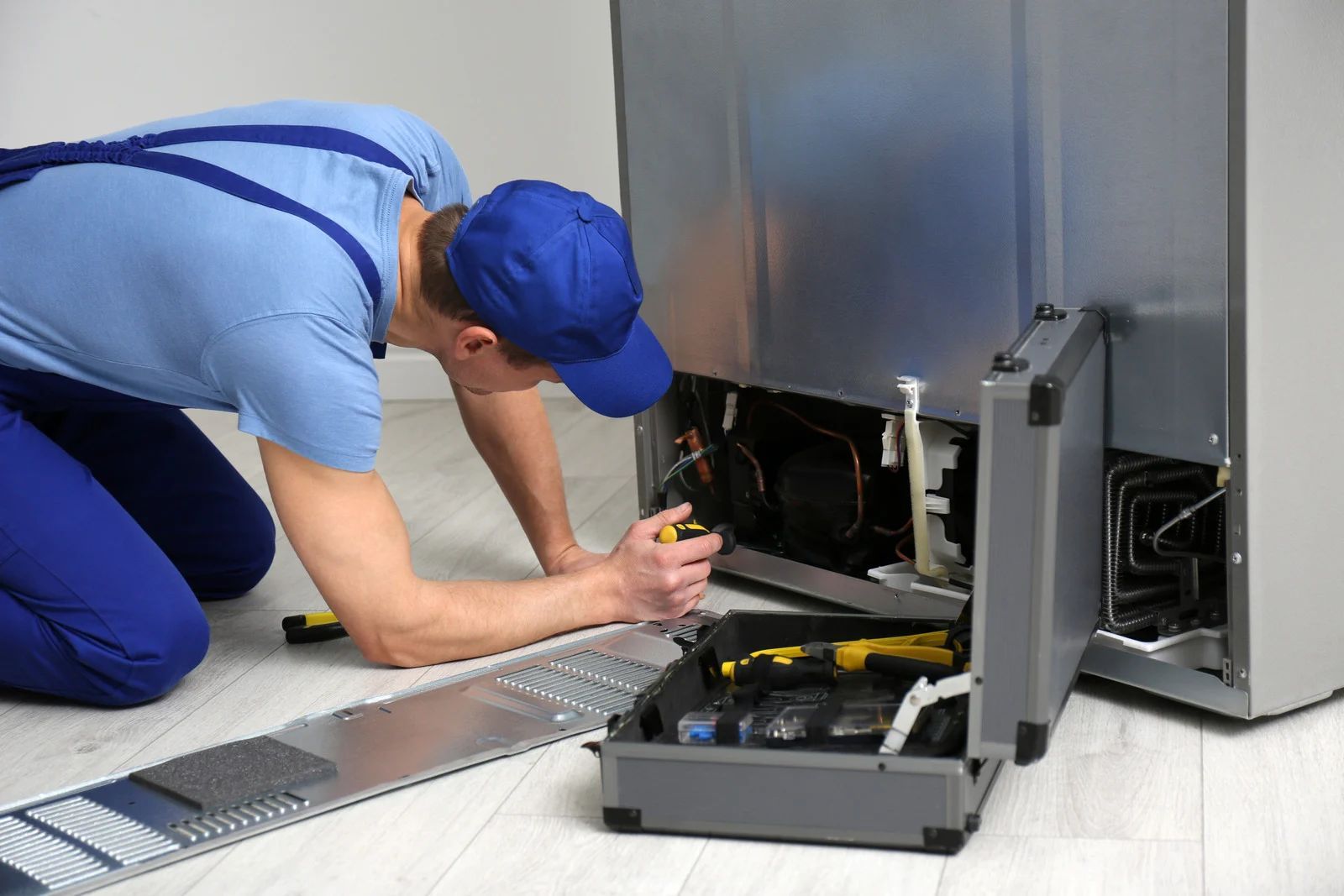
Most of what is described above can be handled in an afternoon with a hair dryer, a plastic scraper, and patience. A few signs point to a repair that calls for someone with the right parts and testing equipment. The auger spins but cubes will not move even after the bin is empty. The motor hums or grinds and does not turn. The dispenser is silent and the lock setting is off. The chute freezes shut again within a day or two of thawing. Water leaks out of the dispenser area. Any of those suggest a failed motor, a stripped coupling, a bad switch, or a deeper airflow or defrost problem. A technician offering [professional refrigerator repair](https://www.anyappliance.pro/refrigerators) can test the switch and motor with a meter, pinpoint the failed part, and tell you whether the fix is a simple swap.
A stuck ice dispenser is rarely a reason to replace a refrigerator. The cooling system is a separate part of the appliance, and a fridge with a failed auger motor can still keep food cold for years once the single part is repaired.
Frequently Asked Questions
Why does my ice maker make ice but the dispenser will not give any?
The ice maker and dispenser are separate systems. A frozen clump, stuck chute flap, worn auger motor, or unresponsive switch can each stop delivery while the ice maker keeps working normally.
Can I use a hair dryer to thaw a frozen ice chute?
Yes, on low heat held a few inches away, after unplugging the refrigerator. Keep the airflow moving so the plastic does not warp, and dry the area afterward so moisture does not refreeze.
How do I know if the problem is the auger motor?
If the bin is loose and you hear a hum or grinding when you press the pad but the auger stays still, suspect the motor or its coupling. Complete silence points to the switch, a lock setting, or the control board.
Could a child lock really stop the ice dispenser?
Yes. Many refrigerators have a lock feature that a stray press can turn on. Look for a lock icon on the display and check the manual before assuming a part has failed.
How often should I empty the ice bin?
Emptying and refilling the bin every month or two helps if your household uses little ice. Old ice softens and refreezes into clumps, while fresh ice stays loose.
Is it safe to reach into the ice bin to clear a jam?
Only after the fridge is unplugged or the ice maker is off, since the auger motor can start unexpectedly. Use a wooden spoon or plastic scraper instead of metal tools.
A Stuck Dispenser Usually Has a Simple Cause
A full bin of ice that will not come out is frustrating, but it is rarely a mystery. Clear the clump, thaw the chute, listen to the motor, and check the control settings, and in most cases the failed part announces itself. A refrigerator that keeps making ice is telling you the cooling system is healthy, and the trouble sits in a small, fixable stretch between the bin and your glass. Replacing one part is almost always better than replacing the whole appliance.
With 10
years of experience
repairing refrigerators
in Lakewood, CO, Any Appliance Care & Repair
has traced countless stubborn dispensers back to a frozen clump, a worn auger motor, or a switch that quit registering. Testing each piece in order saves homeowners from buying parts they do not need and keeps the repair honest. When the failed component is finally replaced, the dispenser tends to run smoothly for years, and the household goes back to filling glasses without a second thought.